TraumaClinic in-person event
October 9–12, 2026
Belo Horizonte – Minas Gerais, Brazil
Get ready for an extraordinary learning experience!
This congress aims to unite dedicated professionals advancing the study, clinical practice, and reprocessing therapies for trauma care and human development.
It will be days of immersion in scientific knowledge, clinical practice, and exchange of experiences, creating a space for learning, reflection, and connection among professionals from different regions of Brazil and around the world.
The congress will feature prominent national and international guests, bringing relevant contributions to deepen theoretical understanding and practical application of approaches such as EMDR and Brainspotting, among other therapies focused on processing traumatic experiences.
TraumaClinic, the event organizer, is a reference in training professionals in EMDR Psychotherapy in Brazil, operating since 2004 with excellence in teaching, clinical practice, and dissemination of knowledge in the field of psychological trauma. Throughout its trajectory, it has contributed to building a solid network of qualified professionals committed to ethical and transformative practice.
This congress is an invitation to broaden perspectives, deepen knowledge, and strengthen connections in a welcoming, scientific, and inspiring environment.

Location and Date
💡 Discover more about the event location.
Our event will take place on October 9, 10, 11, and 12, 2026.
We will be at the Hotel Mercure Lourdes, located at Av. do Contorno, 7315, Lourdes, Belo Horizonte – MG, Brazil (Zip Code: 30110-047).
Congress participants must use the code “Congresso TraumaClinic” to book accommodations at the same hotel with a discount.


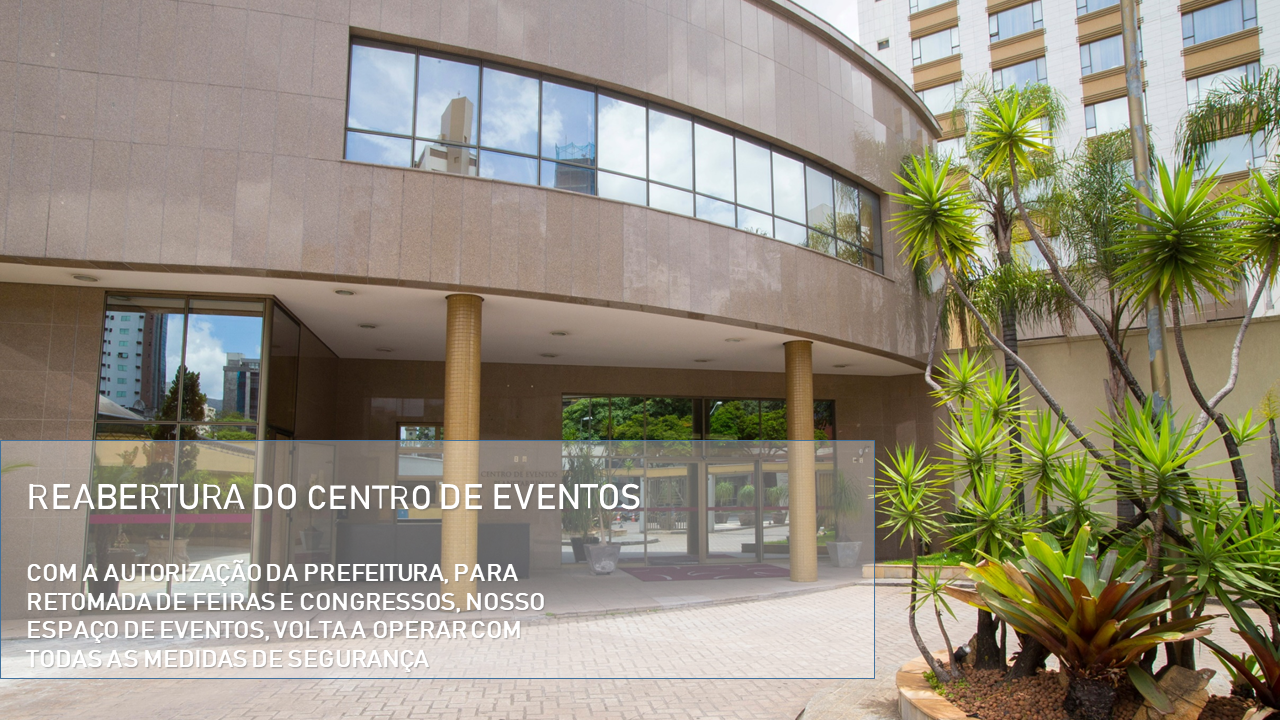

How to get to the hotel from Confins Airport?
For those arriving at Belo Horizonte International Airport – Confins, there are a few transportation options to the Hotel Mercure Lourdes. Check them out:
OPTION 1
EXECUTIVE BUS
Most economical option
• Origin: Belo Horizonte International Airport – Confins
• Destination: Terminal Conexão Aeroporto – Álvares Cabral
📍 Av. Álvares Cabral, 387 – Lourdes, Belo Horizonte – MG
💰 Approximate fare: R$ 49.50 per person
• The bus arrives at Terminal Álvares Cabral, in the Lourdes area.
🏨 FROM THE TERMINAL TO THE HOTEL
📍 Hotel Mercure Belo Horizonte Lourdes Av. do Contorno, 7315 – Lourdes – Belo Horizonte – MG
• Approximate distance: 1.2 km
• On foot: approximately 14 to 17 minutes (although the distance is short, we do not recommend walking, as Belo Horizonte has many steep hills and the route can be tiring, especially with luggage)
• Taxi or ride-hailing app: approximately 3 minutes
💡 Tip: For those traveling with little luggage, walking is possible. With suitcases, we recommend taking a taxi or ride-hailing app.
OPTION 2
UBER
Most practical option
💰 Uber X: approximately R$ 100.00 to R$ 110.00
💰 Uber Comfort: approximately R$ 150.00
💡 Tip: Rates are estimates and may vary depending on time of day, traffic, and demand. The app shows the trip fare before confirmation.
👉 Tip: If two or more people are traveling together, splitting an Uber can make this option quite advantageous.
OPTION 3
TAXI
Most traditional option
💰 Estimated fare: approximately R$ 200.00 to R$ 250.00
💡 Tip: The fare may vary depending on traffic, time of day, and trip conditions.
⚠️ Important: For greater safety, use the airport's official taxi stands or request the service through an app.

Travel Agency
💡 Special conditions for congress attendees who wish to go sightseeing in Minas Gerais.

Our partner Turismo10 has a special condition for congress attendees!
Anyone who books the full package (airfare + lodging + airport-hotel-airport transfer) with them will receive 2 incredible tours in Minas Gerais as a courtesy!
Check out what will be available for those arriving before the event and having 2 full free days:
CITY TOUR
Belo Horizonte
Availability: Mondays, Tuesdays, Wednesdays, Thursdays, Fridays, or Saturdays
Get ready to explore the famous Pampulha Architectural Complex, with special stops at the iconic São Francisco de Assis Church and the Pampulha Art Museum. The tour continues through the main squares and historic landmarks of Belo Horizonte, including the charming Liberdade Square. To complete the experience, there will be a stop at the Central Market, perfect for getting to know Minas Gerais handicrafts and tasting local culinary delights.
✅ Includes:
• Round-trip transfer
• Portuguese-speaking tour guide
⏰ Time:
• Morning departure, returning around 01:00 PM
• Schedule confirmed directly with the tour operator 1 day in advance
❌ Not included:
• Tickets
• Meals
• Drinks
• Fees
• Optional extras
🕓 Approximate duration:
• 4 hours
📌 Important:
• Tour dates may be subject to change according to the local tour operator's schedule
TOUR
Ouro Preto e Mariana
Availability: Tuesdays, Wednesdays, Thursdays, Fridays, Saturdays, or Sundays
✨ Ouro Preto:
• Visit to the historic center
• Tiradentes Square
• São Francisco de Assis Church
• Inconfidência Museum
• Local Handicraft Workshop
✨ Mariana:
• Visit to the traditional underground gold mine
• Tour of the historic center and Baroque churches
🚂 Optional: scenic train ride (ticket not included)
✅ Includes:
• Round-trip transfer
• Portuguese-speaking tour guide
⏰ Time:
• Morning departure, returning around 05:00 PM
• Schedule confirmed directly with the tour operator 1 day in advance
❌ Not included:
• Tickets
• Meals
• Drinks
• Fees
• Optional extras
🕗 Approximate duration:
• 8 hours
📌 Important:
• Tour dates may be subject to change according to the local tour operator's schedule
CONTACT
Turismo10
Tourism Representative Priscila Souza

Schedule
💡 Click the buttons below to jump to the desired sections
Friday, Oct 9, 2026
Pre-Congress
TIME
EVENT
SPEAKER
USEFUL LINKS
08:00am - 09:00am
Check-in
09:00am - 10:30am
Workshop
Self-Administered Flash Technique
Sik-Lam Wong (United States)
Videoconference
10:30am - 10:45am
Break
10:45am - 12:30pm
Workshop
Clinical management of Intrauterine Trauma
Silvia Guz (Brazil)
In-person
12:30pm - 02:30pm
Lunch break
02:30pm - 04:00pm
Workshop
MAP Protocol for Emotional Eating and Other Addictions
Patricio Galleguillos (Chile)
In-person
04:00pm - 04:30pm
Coffee Break
04:30pm - 06:30pm
Workshop
Group psychotherapy with EMDR: is it possible?
Adineide Nolasco (Brasil)
In-person
06:30pm
Pre-Congress Closing
Saturday, Oct 10, 2026
Congress
TIME
EVENT
SPEAKER
USEFUL LINKS
08:00am - 08:30am
Check-in
08:30am - 09:30am
Opening Ceremony of the 1st International TC Congress
09:00am - 10:30am
Lectures
Mastering EMDR: from protocol knowledge to clinical skill — Part 1
Rotem Brayer (United States)
In-person
10:30am - 11:00am
Coffee Break
11:00am - 12:30pm
Lectures
Mastering EMDR: from protocol knowledge to clinical skill — Part 2
Rotem Brayer (United States)
In-person
01:00pm - 01:15pm
Giveaway
01:15pm - 03:00pm
Lunch break
03:00pm - 04:30pm
Breakout Sessions – Blocks 1 to 3
(check sections below)
04:30pm - 05:00pm
Coffee Break
05:00pm - 06:30pm
Breakout Sessions – Blocks 4 to 6
(check sections below)
06:30pm - 08:30pm
TraumaClinic Team Exclusive Meeting
Breakout Sessions – Block 1
03:00pm - 03:30pm
ROOM A
ROOM B
ROOM C
ROOM A
EMDR for Sleep Disorders
Bianca Breus Bassi (Brazil)
ROOM B
Beyond Trauma: An Integrative Model for Early Intervention, Clinical Management, and EMDR Reprocessing in Severe Psychological Distress | Psychosis and Related Conditions
Raquel de Paiva (Brazil)
ROOM C
EMDR Psychotherapy and Gestalt Therapy in the Treatment of Attachment Trauma | A Clinical Report
Ligia Mendes (Brazil)
Breakout Sessions – Block 2
03:30pm - 04:00pm
ROOM A
ROOM B
ROOM C
ROOM A
The Impact of Chronic Stress on Climacteric/Menopause: Contributions of EMDR Psychotherapy
Eliana Rolim (Brazil)
ROOM B
Marks on the Mind, Knots in the Body: Unraveling the Trauma of Destructive Words Through EMDR
Milena Santos Araujo (Brazil)
ROOM C
Reclaiming the Voice: EMDR and Psychodrama in Professional Conflict Management
Eryka Serur (Brazil)
Breakout Sessions – Block 3
04:00pm - 04:30pm
ROOM A
ROOM B
ROOM C
ROOM A
Why Do Some Patients Still Struggle to Sleep? Integrating Sleep Psychology into Clinical Reasoning in EMDR
Danuska Tokarski (Brazil)
ROOM B
When Loving Isn't Enough: ADHD, Relational Trauma, and Repair with EMDR
Elizabeth Maio (Brazil)
ROOM C
Contributions of the Internal Family Systems (IFS) Model to EMDR in Complex Trauma Treatment: The Role of the Self and Internal Parts
Rosalina de Jesus Moura (Brazil)
Breakout Sessions – Block 4
05:00pm - 05:30pm
ROOM A
ROOM B
ROOM C
ROOM A
EMDR Therapeutic Group with Women in Intercultural Contexts
Lisia Junqueira (Brazil)
ROOM B
EMDR Psychotherapy in Managing Anxiety Symptoms Associated with Gambling Behavior: A Clinical Case Report
Lana Cláudia Fernandes (Brazil)
ROOM C
Integrating EMDR, Jungian Analytical Psychology, and Neuroscience: Symbolism, Trauma, and Psychic Transformation
Vania Batistella (Brazil)
Breakout Sessions – Block 5
05:30pm - 06:00pm
ROOM A
ROOM B
ROOM C
ROOM A
Racial Trauma and Development: Contributions of a Culturally Sensitive EMDR Practice in Serving the Black Population | Clinical Experience Report
Débora Araújo (Brazil)
ROOM B
From Competitive Blocks to Adaptive Performance: A Case Report with EMDR in Athletics
Dimara Ribeiro (Brazil)
ROOM C
When Suffering Cannot Be Felt: Integrating ACT and EMDR in Complex Trauma Stabilization
Josiane Rosa Campos (Brazil)
Breakout Sessions – Block 6
06:00pm - 06:30pm
ROOM A
ROOM B
ROOM C
ROOM A
Echoes of EMDR in Angola
Júlia Gabriela Lemos (Angola)
ROOM B
Artificial Intelligence and the Future of the Psyche: A Critical Review
Wellton Lupercinio (Brazil)
ROOM C
From Reprocessing to Restructuring: EMDR Therapy Integrated with Schema Therapy
Sergio Luiz Fonseca Dias (Brazil)
Sunday, Oct 11, 2026
Congress
TIME
EVENT
SPEAKER
USEFUL LINKS
09:00am - 10:15am
Lectures
Introduction to the Immediate Stabilization Procedure (ISP)
Gary Quinn (Israel / EE.UU)
Videoconference
10:15am - 10:45am
Lectures
Positioning and Marketing Without Losing Ethics
Tiago Tavares (Brasil)
In-person
10:45am - 11:00am
Break
11:00am - 12:30am
Lectures
Invisible Wounds: Perinatal Developmental Trauma and Intergenerational Healing
Mara Stein (Israel / EE.UU)
In-person
12:30pm - 02:00pm
Lunch break
02:00pm - 02:30pm
Presentation 1
Invisible Wounds: Perinatal Developmental Trauma and Intergenerational Healing
Silvana Salomoni (Brasil)
In-person
02:30pm - 03:00pm
Presentation 2
From Diagnosis to Encounter: Body, Connection, and Community in Group Minkay Brainspotting
Glenda Villamarín (Equador)
In-person
03:00pm - 03:30pm
Presentation 3
Psychedelics in Trauma Care: Neurobiological Foundations and a Proposed Ketamine-EMDR Protocol
Maria Inês Mesquita (Brasil)
In-person
03:30pm - 04:00pm
Presentation 4
From Chaos to Chesion: Deployment of the EMDR Network in the Face of the 2026 Venezua Earthquake | Systematization of an early mental health humanitarian response in a complex sociopolitical crisis context
Deglya Camero (Venezuela)
In-person
04:00pm - 04:30pm
Presentation 5
Before Words: When the Body is the Only Memory | Early Trauma, Pre-Verbal Trauma, and the Paths of Reprocessing
Jackeline Gomes (Brasil)
In-person
04:30pm - 5:00pm
Book Launch: "O Vigia Noturno"
08:00pm - 10:00pm
Networking Dinner
Monday (morning), Oct 12, 2026
Congress
TIME
EVENT
SPEAKER
USEFUL LINKS
09:00am - 10:15am
Lectures
Updates in Neurobiology and EMDR Therapy Theory — Part 1
Uri Bergmann (Estados Unidos)
Videoconference
10:15am - 10:25am
Break
10:25am - 12:10pm
Lectures
Updates in Neurobiology and EMDR Therapy Theory — Part 2
Uri Bergmann (Estados Unidos)
Videoconference
12:10pm - 12:50pm
Lectures
From the Seed to a Tree: The History of EMDR and its Future Challenges
Esly Carvalho (Brasil)
In-person
12:50pm - 13:00pm
AIBAPT
13:00pm - 13:10pm
Giveaway
13:10pm - 13:30pm
Congress Closing
Monday (afternoon), Oct 12, 2026
Post-Congress
TIME
EVENT
SPEAKER
USEFUL LINKS
13:30pm - 03:00pm
Lunch break
03:00pm - 04:30pm
Workshop
EMDR in Reproductive, Perinatal, and Infant Mental Health: The Integrated Conceptual Lens — Part 1
Mara Stein (Israel / USA)
In-person
04:30pm - 05:00pm
Coffee Break
05:00pm - 06:15pm
Workshop
EMDR in Reproductive, Perinatal, and Infant Mental Health: The Integrated Conceptual Lens — Part 2
Mara Stein (Israel / USA)
In-person
06:15pm
Post-Congress Closing
Topics and Descriptions
💡 Workshops, Lectures, Presentations and Breakout Sessions
WORKSHOP | Pre-Congress
Self-Administered Flash Technique
Sik-Lam Wong

Some 37 million refugees and internally displaced people worldwide need trauma therapy — and there aren't enough therapists. Sik-Lam Wong, a therapist based in Berkeley, California, shows how the Flash Technique, developed by Phil Manfield and colleagues (2017), reduces emotional disturbance within 10 to 20 minutes and can be learned in about a day — ideal for low-intensity intervention and task shifting.
From the neuroscience foundation — amygdala, prefrontal cortex, and periaqueductal gray — to the five scripts adapted for self-use (body scan, clenched fists, progressive counting by three, relaxed arms, and a simple script), the journey covers safety — 1,000 civil war victims in Ethiopia, with no abreaction — results from more than 300 participants (effect sizes above 0.8), and ethical limits: a tool to "turn down the heat" on disturbing memories, not a substitute for psychotherapy.
WORKSHOP | Pre-Congress
Clinical management of Intrauterine Trauma
Silvia Guz

The goal of this presentation is to provide the theoretical content that supports the clinical management of intrauterine trauma reprocessing in all its complexity:
• What it is;
• How to do it;
• How to sustain such a deep dive into the early trauma experience.
WORKSHOP | Pre-Congress
MAP Protocol for Emotional Eating and Other Addictions
Patricio Galleguillos

Emotional Eating (EE) is an maladaptive response to traumatic experiences (primarily attachment-related) and affective dysregulation rather than a lack of willpower. According to the Adaptive Information Processing (AIP) model underlying EMDR therapy, maladaptively stored traumatic memories activate dissociative mechanisms that distance individuals from bodily and emotional awareness.
This study presents the Misinterpretations for Addictions Protocol (MAP), specifically adapted for Emotional Eating and for reluctance or phobia toward physical activity. The MAP Protocol targets the post-traumatic defenses underlying Emotional Eating, helping to restore balance among the threat, achievement, and regulation systems.
By reprocessing maladaptive interpretations associated with food and re-labeling sympathetic activation as vitality rather than danger, the protocol provides a safe, comprehensive, and structured clinical framework for treating emotional eating, obesity, and sedentary behavior in clinical and health psychology settings.
WORKSHOP | Pre-Congress
Group psychotherapy with EMDR: is it possible?
Adineide Nolasco
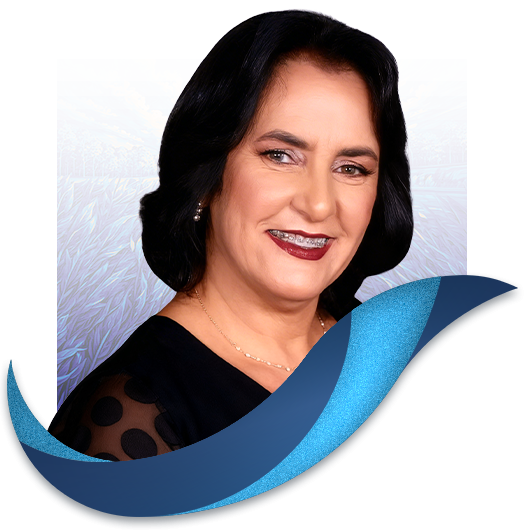
The purpose of this workshop is to provide participants with the opportunity to take part in and observe a demonstration of a group psychotherapy session, following the 8 Phases of the Classic EMDR Protocol, in addition to using group dynamic techniques and Psychodrama.
LECTURE | Congress
Mastering EMDR: from protocol knowledge to clinical skill
Rotem Brayer

In this lecture, Rotem Brayer explores why most EMDR therapists don't improve over time, and what to do about it. Drawing on the Brazilian futsal metaphor, which develops exceptional players through intense, focused practice, the presentation examines the global attention-overload problem and how it affects therapist training: the "firehose effect" of basic EMDR training, the Protocol Proliferation Problem (PPP), and the gap between conceptual knowledge and procedural skill.
Grounded in research on deliberate practice (Ericsson, Colvin), the science of learning (Brown, Roediger & McDaniel), and studies of clinical effectiveness (Miller, Hubble & Duncan; Goldberg et al., 2016), the talk proposes a paradigm shift: better instead of more. Attendees will learn to identify their "learning zone," apply behavioral rehearsal with feedback, and transform EMDR consultation from traditional to purposeful, with small, concrete goals, a focus on micro-skills, and structured repetition. A journey from breadth to depth, toward clinical excellence.
LECTURE | Congress
Introduction to the Immediate Stabilization Procedure (ISP)
Dr. Gary Quinn

Gary Quinn, a psychiatrist from Jerusalem and one of the world's first EMDR therapists — trained by Francine Shapiro, whose first international workshop took place in Israel — presents the ISP, developed in the context of terrorist attacks in Israel.
From the founding case — a bus bombing survivor in frozen terror, brought down from 10 to 2 on the disturbance scale — to soldiers returning to combat within 2 to 3 hours, including traumatized therapists in Ukraine, earthquake survivors in Turkey, and tsunami survivors in Thailand, the ISP combines rhythmic tapping with true positive statements, without revisiting the trauma memory — which prevents re-traumatization.
With published doctoral studies, a training of just 4 hours, and application possible by trained laypeople, the ISP emerges as a potential "CPR for mental crises".
LECTURE | Congress
Invisible Wounds: Perinatal Developmental Trauma and Intergenerational Healing
Dr. Mara Tesler Stein

This lecture aims to address the often invisible nature of perinatal and developmental trauma, highlighting how pregnancy complications, traumatic births, and NICU stays are commonly reduced to medical issues, ignoring their profound emotional and relational impacts.
Based on decades of clinical experience and research, the presentation demonstrates that these traumas disrupt critical windows of development and neuroplasticity, affecting the construction of parental identity and the formation of secure attachment in infants.
By showing that untreated traumas can be transmitted intergenerationally and manifest in adult clients as attachment wounds or somatic dysregulation, the presentation argues that understanding the perinatal period is essential for EMDR professionals, allowing for early interventions that break cycles of suffering and promote genuine healing from the root.
PRESENTATION | Congress
The Knots and Bonds in the Couples' Story
Silvana Salomoni
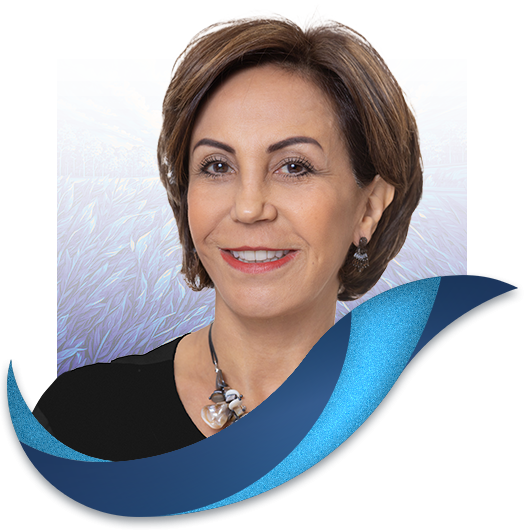
This presentation is based on the idea that the formation of a couple brings together the individual baggage of each partner: each one's family legacy, biological temperament, echoes of traumatic experiences, personality traits, each one's network of relationships, as well as purposes and lifestyles.
These elements of baggage have a direct impact on the couple's interactions, influencing the combination of attachment patterns, sexual experiences, communication in a broad sense, and commitment to the relationship and to the partner. As these interactions unfold, patterns take shape that project harmony in some aspects and disharmony in others, generating both resilience and difficulties and challenges.
Over time, some bonds can tighten and cease to be functional, while some knots can fray and result in more flexibility. For this reason, the couple must constantly update the ways they relate to each other so that the bond remains healthy and "good enough" for both.
Couple psychotherapy then emerges as a path toward this care, working with a focus on both the relationship and the individuals and their traumas. When a knot is untied, there is room to create a new bond — in other words, the work of undoing what blocks the relationship is precisely what opens the possibility for healthier and renewed bonds.
PRESENTATION | Congress
From Diagnosis to Encounter: Body, Connection, and Community in Group Minkay Brainspotting
Glenda Villamarín

Group Minkay Brainspotting is an approach that integrates Brainspotting, Perry’s Neurosequential Model, Theraplay, Psychodrama, and Andean wisdom to address trauma and relational suffering within collective contexts.
Rather than structuring the intervention around a diagnostic label, the methodology first establishes a "nest" of playful co-regulation, followed by a phase of deep somatic release, and culminates in a ritual "seal" that restores meaning and belonging.
Through clinical vignettes and preliminary qualitative findings, this presentation demonstrates how play, rhythm, and community can expand the boundaries of traditional psychotherapy and offer a care-based clinical approach.
PRESENTATION | Congress
Psychedelics in Trauma Care: Neurobiological Foundations and a Proposed Ketamine-EMDR Protocol
Maria Inês Mesquita

The lecture addresses the neurobiological foundations of psychedelics, focusing on ketamine and its effects on neuroplasticity and neural network dynamics—including the default mode network—associated with the loosening of rigid emotional patterns. These effects can facilitate access to previously avoided memory networks, especially in cases marked by avoidance and emotional rigidity, which may also involve different levels of dissociation.
The core proposal presents an integration of ketamine and EMDR, where the ketamine-induced experience is used as a facilitator for accessing traumatic material, while EMDR serves as a tool for organizing and directing the reprocessing of these activated networks.
Clinical indication criteria, the limitations of this approach, and a proposal for practical systematization of the ketamine-EMDR integration will be presented.
PRESENTATION | Congress
From Chaos to Chesion: Deployment of the EMDR Network in the Face of the 2026 Venezua Earthquake | Systematization of an early mental health humanitarian response in a complex sociopolitical crisis context
Deglya Camero

1. The "Venezuela" context: The cause of the worsening psychological trauma impact of the double earthquake.
2. From confusion to operability: The process of building psychological humanitarian aid strategies amid the chaos. The step-by-step approach.
3. Development of a response team configuration: Short, medium, and long-term response to psychological trauma.
4. First results: Application of the PIPARA and G-TEP Protocols to a small portion of the affected population.
5. Comprehensive follow-up plan for the affected population (Phases 1 and 2): Development of the Follow-Up Plan through teams of EMDR therapists and non-EMDR psychologists from the Federation of Psychologists of Venezuela. Activation of on-site mental health hubs.
PRESENTATION | Congress
Before Words: When the Body is the Only Memory | Early Trauma, Pre-Verbal Trauma, and the Paths of Reprocessing
Jackeline Gomes
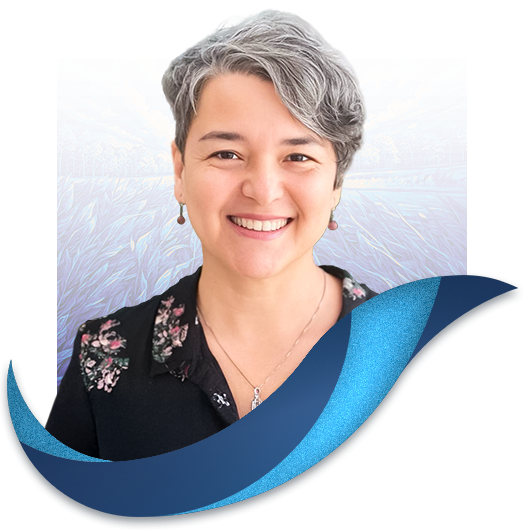
The presentation addresses early trauma, with an emphasis on its pre-verbal dimension, reflecting on experiences that, because they occur before language, often do not organize as a narrative but remain inscribed in the body, in regulation, and in attachment patterns. From a developmental and clinical perspective, the impacts of this trauma and the paths of reprocessing in EMDR Psychotherapy will be discussed.
LECTURE | Congress
Updates in Neurobiology and EMDR Therapy Theory
Dr. Uri Bergmann
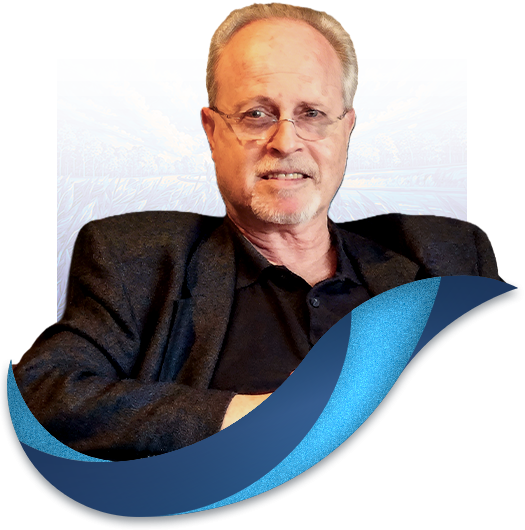
Can understanding the brain make us better EMDR therapists? Uri Bergmann, Ph.D., answers with a neurobiological journey that questions fundamental assumptions about treating complex PTSD, dissociative disorders, and characterological presentations.
From "Descartes' error" — the artificial split between mind and body — to the paradigm shift from cognitive (left-hemispheric) neuroscience to developmental and affective (right-hemispheric) neuroscience, the presentation covers the divided brain (McGilchrist), the distinction between emotions and feelings (Damasio, Panksepp), the neural networks — central executive, default mode, and salience networks — the four branches of the autonomic nervous system, including the "gut brain" and the "heart brain", polyvagal theory (Porges), and memory systems.
The central argument: EMDR is more robust when targeting implicit, non-declarative, non-conscious memory — because "the self is felt before it is thought".
LECTURE | Congress
From the Seed to a Tree: The History of EMDR and its Future Challenges
Dr. Esly Carvalho

Embark on a historical and visionary journey about the evolution of EMDR Psychotherapy in Brazil and Latin America! In this lecture, Dr. Esly Carvalho will share the growth trajectory of this powerful reprocessing psychotherapeutic approach, from its "seed" to its transformation into a "tree" with deep roots across our continent.
In addition to revisiting this inspiring legacy, the lecture will feature an in-depth discussion on the challenges and future perspectives of EMDR in the Brazilian and Latin American context, all grounded in the practical and clinical application of the renowned Three-Pronged Protocol of EMDR Psychotherapy.
Esly Carvalho is president of the TraumaClinic Group and one of the leading authorities on psychotrauma and EMDR in Latin America. Trained by Dr. Francine Shapiro herself (the discoverer of EMDR), she was the pioneer who planted the seed of EMDR in Brazil, dedicating her career to the expansion, teaching, and consolidation of this transformative approach.
WORKSHOP | Post-Congress
EMDR in Reproductive, Perinatal, and Infant Mental Health: The Integrated Conceptual Lens
Dr. Mara Tesler Stein
This workshop will present a clinical approach that integrates EMDR Psychotherapy with reproductive, perinatal, and infant mental health through the Integrated Conceptual Lens. It is designed for both EMDR clinicians seeking to deepen their work in the perinatal context and perinatal professionals interested in incorporating EMDR into their practice. The workshop will provide theoretical foundations and practical tools that can be immediately applied to case conceptualization and treatment planning. Participants will learn how to apply the Integrated Conceptual Lens to understand how trauma disrupts three core developmental tasks: developing parental identity, managing emotions, and managing relationships. Using a practical matrix that maps developmental tasks against trauma dimensions, clinicians will be guided through history-taking, target selection, and treatment sequencing across EMDR’s eight phases and three-pronged protocol. The session combines didactic instruction, practical tools (matrix and diagram), case studies, and group discussion, offering participants an experience directly applicable to clinical practice.
BREAKOUT SESSION 1A | Congress
EMDR for Sleep Disorders
Bianca Breus Bassi
This work presents an innovative approach to the treatment of sleep disorders through EMDR Psychotherapy. The book EMDR for Sleep Disorders, by Bianca Bassi and Esly Carvalho, explores how traumatic experiences — especially those marked by threat, anxiety, and excessive self-responsibility — can shape enduring vigilance patterns and interfere with the natural architecture of sleep.
Drawing on clinical observations and the development of a systematized protocol, the authors describe how symptoms such as insomnia, nightmares, and sleep paralysis are often related to dysfunctional memories that remain active in the nervous system, keeping the organism in a state of alert.
The book proposes an assessment model that integrates trauma history, core beliefs, physiological responses, and avoidance behaviors, articulating them with the adaptive information processing framework. The protocol presented combines structured EMDR phases with specific interventions to reduce hyperarousal, reorganize bodily sensations associated with nighttime fear, and install resources of inner safety.
The approach emphasizes the use of mental imagery, somatic resources, and regulatory preparation to expand emotional tolerance before processing target memories. This work aims to contribute to clinical practice by offering a clear, replicable framework that is sensitive to the particularities of sleep disorders, broadening the understanding of their traumatic basis and proposing effective therapeutic pathways for their resolution.
BREAKOUT SESSION 1B | Congress
Beyond Trauma: An Integrative Model for Early Intervention, Clinical Management, and EMDR Reprocessing in Severe Psychological Distress | Psychosis and Related Conditions
Raquel de Paiva
Providing care for people experiencing severe psychological distress constitutes one of the main challenges for EMDR therapists, especially in cases marked by emotional dysregulation, dissociation, identity disturbances, relational impairment, and recurrent crises.
Although the Adaptive Information Processing (AIP) Model represents the theoretical foundation of EMDR, complex cases often require an expanded process of assessment, stabilization, and clinical decision-making before reprocessing. This workshop presents an Integrative Model of Early Intervention and Clinical Management, grounded in the articulation between the AIP Model, the neurobiology of trauma, Attachment Theory, Polyvagal Theory, Phenomenological Psychopathology, the phenomenological-existential approach, and the systemic approach.
The model understands reprocessing as one stage of a progressive therapeutic process, initiated by welcoming, building the therapeutic bond, understanding the lived experience, integrated clinical formulation, and stabilization. The proposal organizes care into six stages: early intervention, clinical management, stabilization, assessment of readiness for reprocessing, EMDR intervention, and therapeutic integration.
Among its contributions, the systematization of clinical criteria stands out, supporting the decision about the appropriate moment to begin reprocessing in patients with dissociative disorders, bipolar disorder, borderline personality disorder, psychotic crises, and schizophrenia spectrum disorders, in articulation with psychiatric follow-up and the care network.
The model will be illustrated by the Vitória Case, drawn from the author's doctoral research, presented as a paradigmatic case to demonstrate its clinical application. The aim is to contribute to the refinement of clinical reasoning in EMDR, integrating neurobiological evidence, phenomenological understanding, and clinical safety in the care of people experiencing severe psychological distress.
BREAKOUT SESSION 1C | Congress
EMDR Psychotherapy and Gestalt Therapy in the Treatment of Attachment Trauma | A Clinical Report
Ligia Mendes
Attachment trauma encompasses adverse experiences lived within primary caregiving relationships, especially when caregivers fail to provide safety, predictability, and protection. Situations of neglect, emotional instability, violence, or substance abuse on the part of family members can compromise the development of secure attachment, affecting the construction of self-esteem, emotional regulation, and the capacity to establish healthy bonds in adult life.
This work presents a clinical report of the integrative practice between Gestalt Therapy and EMDR psychotherapy, uniting both approaches in the treatment of Attachment Trauma. The case refers to the patient "Amanda," an adult woman, daughter of an alcoholic father, who sought psychotherapy due to suffering arising from emotional dependence on her children, difficulty investing in personal projects, and the recurrent pattern of putting others' needs above her own.
The clinical history revealed early experiences marked by emotional insecurity and the absence of consistent affective support. During the treatment of the aforementioned client, Gestalt Therapy concepts such as confluence and awareness were used, enabling the recognition of neglected emotional needs and repetitive relational patterns, and strengthening the boundaries of the self. In parallel, EMDR Psychotherapy enabled the reprocessing of memories related to traumatic attachment experiences, promoting reduced emotional activation, the loosening of dysfunctional beliefs, and the strengthening of internal resources.
The observed results included greater emotional autonomy, expanded self-care, reduced emotionally dependent behaviors, and a strengthened sense of identity. It is concluded that the integration between Gestalt Therapy and EMDR constitutes a clinical strategy capable of achieving, quickly and significantly, the treatment of attachment trauma, favoring processes of relational repair, emotional self-regulation, and the development of healthier and more satisfying relationships.
BREAKOUT SESSION 2A | Congress
EMDR Psychotherapy and Gestalt Therapy in the Treatment of Attachment Trauma | A Clinical Report
Ligia Mendes
In clinical practice with women in menopause (climacteric), it is frequently observed that patients who maintained adequate family, professional, and social functioning over decades begin to report, at this stage of life, greater emotional distress, a sense of overload, difficulties in emotional regulation, sleep disturbances, and cognitive complaints that affect their quality of life. This phenomenon raises questions about factors that may contribute to the intensification of these manifestations beyond the hormonal changes traditionally associated with the climacteric period.
The climacteric constitutes a period of significant neurobiological transformations that can impact emotional regulation, attention, memory, and the capacity to adapt to stress. At the same time, many women reach this stage after years of exposure to multiple responsibilities, losses, adversities, and persistent situations of overload.
Clinical experience suggests that the cumulative effects of chronic stress may acquire greater expression during this period. Demands previously managed with relative stability may come to require greater emotional and cognitive effort, favoring the emergence or intensification of symptoms that impact daily functioning.
EMDR Therapy (Eye Movement Desensitization and Reprocessing), grounded in the Adaptive Information Processing (AIP) Model, offers a clinical framework for understanding how adverse experiences and ongoing sources of stress can continue to influence current responses in the face of new adaptive demands.
This work shares reflections arising from clinical practice on the impact of chronic stress during the climacteric and discusses contributions of EMDR Therapy to the understanding of this phenomenon. Considering simultaneously the neurobiological changes of this phase and the experiences accumulated throughout life can expand the possibilities of care for women experiencing emotional distress during menopause.
BREAKOUT SESSION 2B | Congress
Marks on the Mind, Knots in the Body: Unraveling the Trauma of Destructive Words Through EMDR
Milena Santos Araujo
Verbal violence in childhood and adolescence constitutes a form of relational trauma that is frequently neglected, despite its potential to generate significant impacts on psychological, emotional, and neurobiological development. Unlike other forms of violence that are more easily identifiable, it tends to become naturalized within family, school, and social contexts, making it difficult to recognize its long-term effects. Deprecating comments, constant criticism, humiliation, and disqualification can negatively influence the construction of self-image, core beliefs, and emotional regulation mechanisms, compromising mental health throughout life.
This study aims to analyze the impacts of exposure to destructive speech during human development, to understand how this experience influences emotional, cognitive, and behavioral aspects, as well as its relationship with the consolidation of negative beliefs about oneself, and to discuss the contribution of EMDR psychotherapy (Eye Movement Desensitization and Reprocessing) to the reprocessing of these traumatic experiences.
This is a qualitative research study, developed through a systematic literature review of national and international sources. The investigation will encompass studies related to relational trauma, the neurobiology of trauma, traumatic memory, somatization, and the therapeutic protocols of the EMDR approach. As a complement to the theoretical review, clinical cases drawn from the researcher's professional practice may be used, selected for their relevance to understanding the effects of verbal violence and traumatic reprocessing processes, in accordance with the ethical principles of confidentiality and anonymization.
It is expected to identify evidence demonstrating the association between recurrent verbal violence, emotional difficulties, behavioral changes, and impairments in stress response systems. Furthermore, the study aims to verify the potential of EMDR psychotherapy to favor the adaptive reprocessing of traumatic memories, promoting reduced emotional reactivity, strengthened self-regulation, and improved mental health.
BREAKOUT SESSION 2C | Congress
Reclaiming the Voice: EMDR and Psychodrama in Professional Conflict Management
Eryka Serur
Male patient, 33 years old, married, anesthesiologist, presented with the complaint of feeling "stuck" in the presence of imposing and intransigent surgeons in the organ transplant operating room — a workplace that demands high pressure and assertive communication. The anamnesis (Phase 1) revealed a childhood with a rigid father and physical aggression if he confronted him, even when he was right. He suffered school bullying due to being overweight. He moved to the capital to study, without his parents, and was always protected by his sister. The therapeutic plan (Phases 2 and 3) integrated EMDR with Psychodrama, based on the need to undo the amalgam between the role of a rigid father and intransigent surgeons as oppressive figures, in the relationship through the roles of son (child) and physician (adult).
Using the Classic EMDR Protocol (Phase 4), scenes of childhood injustices caused by his father, school peers, and, later, his mother were reprocessed. Additionally, adult-life scenes were processed, including arguments with surgeons about medical conduct based on scientific evidence, when he felt himself shutting down and losing his voice mid-argument: "I seem insecure for not speaking up" (sic).
In Psychodrama, using the Technique of Building Psychodramatic Images with Fabrics (Jaime Rojas-Bermúdez), a Family Portrait was carried out, allowing feelings and experiences to be projected onto fabrics and image construction. By reversing roles and stepping into the place of his father and grandfather, the patient came to understand that there was a transgenerational behavior: closed-off, overwhelmed, and unaffectionate men. In this way, he realized that his father's rigidity reflected his own father's limitations, not an insufficient son.
As a result, the patient reported a significant improvement in communication in his role as anesthesiologist. He developed a firm stance, including legal backing with medical documents ensuring his autonomy, feeling safe, assertive, and less pressured in the work environment.
BREAKOUT SESSION 3A | Congress
Why Do Some Patients Still Struggle to Sleep? Integrating Sleep Psychology into Clinical Reasoning in EMDR
Danuska Tokarski
Drawing on clinical case discussions, the workshop will explore situations in which recognizing these factors transforms the therapeutic planning — including the management of nighttime hypervigilance, conditioned fear of not sleeping, and the common difficulties during the withdrawal of hypnotic medications.
Drawing on clinical case discussions, the workshop will explore situations in which recognizing these factors transforms the therapeutic planning — including the management of nighttime hypervigilance, conditioned fear of not sleeping, and the common difficulties during the withdrawal of hypnotic medications.
The goal is not to teach CBT-I to the EMDR therapist, but to develop integrated clinical reasoning that allows identifying what is maintaining the insomnia and deciding how to intervene with greater precision. At the end, participants will receive a structured clinical assessment model — developed from more than twenty years of experience in insomnia treatment — to support decision-making in complex cases where trauma and sleep feed into each other.
BREAKOUT SESSION 3B | Congress
When Loving Isn't Enough: ADHD, Relational Trauma, and Repair with EMDR
Elizabeth Maio
Attention Deficit/Hyperactivity Disorder (ADHD) in adults can significantly impact romantic relationships, especially when inattention, impulsivity, forgetfulness, disorganization, planning failures, and emotional dysregulation are interpreted as neglect, selfishness, or lack of love. This work presents a theoretical-clinical reflection on couples affected by ADHD, articulating psychoeducation, relational management, and contributions of EMDR Psychotherapy for targets associated with criticism, shame, rejection, abandonment, and negative beliefs.
Attention Deficit/Hyperactivity Disorder (ADHD) in adults can significantly impact romantic relationships, especially when inattention, impulsivity, forgetfulness, disorganization, planning failures, and emotional dysregulation are interpreted as neglect, selfishness, or lack of love. This work presents a theoretical-clinical reflection on couples affected by ADHD, articulating psychoeducation, relational management, and contributions of EMDR Psychotherapy for targets associated with criticism, shame, rejection, abandonment, and negative beliefs.
The starting hypothesis is that many marital conflicts arise not only from the concrete event, but from the combination of executive symptoms, a threatened reading of the bond, a history of criticism, and difficulty with repair. The difference between affective intensity and relational continuity is discussed: relationships can begin with enthusiasm, hyperfocus, creativity, and rapid connection, but suffer in maintaining constancy, predictability, and shared responsibility.
EMDR is presented as a complementary resource for working with memories, present triggers, and future templates that intensify threat reactions within the bond, without replacing the multimodal treatment of ADHD. Intervention axes are proposed: compassionate communication, conversation contracts, structured pauses, affective routines, realistic division of tasks, externalization of agreements, stabilization, and self-regulation practices.
It is concluded that clinical management must differentiate symptom, responsibility, and blame, helping the couple transform accusation into understanding, and discontinuity into possible repair.
BREAKOUT SESSION 3C | Congress
Contributions of the Internal Family Systems (IFS) Model to EMDR in Complex Trauma Treatment: The Role of the Self and Internal Parts
Rosalina de Jesus Moura
The treatment of complex trauma (C-PTSD) frequently presents challenges related to dissociation, difficulty accessing traumatic memories, and interruptions in reprocessing. Although EMDR, grounded in the Adaptive Information Processing (AIP) model, has effective resources for the treatment of these conditions, access to traumatic memory networks can be limited by defensive systems organized around protection against emotional experiences perceived as threatening.
Internal Family Systems (IFS) understands the mind as a system constituted by different internal parts and by the Self, understood as an innate capacity for leadership, compassion, and integration. From this perspective, symptoms, defenses, and internal conflicts are understood through the dynamics between protective parts and parts that carry traumatic experiences.
This presentation explores the contributions of the IFS model to EMDR in the treatment of complex trauma, emphasizing the role of the Self and of internal parts in understanding post-traumatic psychic organization. The convergences between the two models will be discussed, highlighting how IFS can enrich case formulation, the management of protective systems, and the expansion of the conditions necessary for access to and adaptive reprocessing of traumatic memories. Drawing on clinical examples, the contributions of IFS to the understanding and management of the blocks to reprocessing frequently observed in patients with complex trauma will be discussed.
BREAKOUT SESSION 4A | Congress
EMDR Therapeutic Group with Women in Intercultural Contexts
Lisia Junqueira
International migration imposes ruptures and losses that frequently require specialized psychological support for the management of adaptive processes. This work shares the clinical practice of an online therapeutic group grounded in EMDR and group therapy, conducted during the first semester of 2026.
The intervention consisted of eight weekly 120-minute sessions, involving three women over 40 years old in an expatriation/migration context. The methodology integrated established protocols, such as "The Four Seasons" and "The TRAIN", with resources customized for the intercultural demand, named "Your Passport" and "Packing Your Toiletry Bag". The data, collected through observation records and participants' reports, were submitted to Thematic Analysis. The results indicated a subjective reduction in disturbance and the strengthening of adaptive resources, allowing participants to integrate their previous histories with current experiences in a healthier way.
It is concluded that the group modality in EMDR enhances the processing of intercultural trauma, offering relevant contributions for therapists seeking to expand the application of the standard protocol to migrant populations, and encourages "EMDR Professional" practitioners to engage in group EMDR practice, presenting positive considerations and identifying challenges in carrying out this type of work.
BREAKOUT SESSION 4B | Congress
EMDR Psychotherapy in Managing Anxiety Symptoms Associated with Gambling Behavior: A Clinical Case Report
Lana Cláudia Fernandes
This work presents a clinical case report on the psychotherapeutic follow-up of a 23-year-old male patient with anxiety associated with online betting game behavior. The case evidenced significant impact on emotional functioning, with manifestations of psychological distress, difficulty in emotional regulation, feelings of guilt, and impairments in the perception of self-control.
The therapeutic approach was conducted through EMDR psychotherapy (Eye Movement Desensitization and Reprocessing), grounded in the Adaptive Information Processing (AIP) Model. Initially, stabilization protocols and strengthening of internal resources were used, aiming to expand the capacity for emotional self-regulation, perception of safety, and the development of adaptive strategies in the face of triggers related to betting behavior.
Subsequently, the basic EMDR protocol was introduced, respecting the clinical criteria of readiness, emotional safety, and continuous assessment of the patient. The therapeutic process sought to favor the identification of experiences emotionally associated with the addictive behavior, considering relapses and a persistent pattern of repetition with difficulty in control — we were able to reduce dysfunctional emotional responses and expand internal resources for coping.
The clinical findings reinforce the importance of integrative approaches guided by trauma-informed care and by the understanding of the emotional factors involved in betting games, highlighting the contribution of EMDR psychotherapy as an intervention strategy for emotional strengthening and the promotion of more adaptive responses.
BREAKOUT SESSION 4C | Congress
Integrating EMDR, Jungian Analytical Psychology, and Neuroscience: Symbolism, Trauma, and Psychic Transformation
Vania Batistella
This work addresses the integration between Analytical Psychology, EMDR, and neuroscience in understanding trauma and psychic transformation, highlighting symbols, emotional memory, neuroplasticity, and therapeutic integration processes.
BREAKOUT SESSION 5A | Congress
Racial Trauma and Development: Contributions of a Culturally Sensitive EMDR Practice in Serving the Black Population | Clinical Experience Report
Débora Araújo
O trauma racial refere-se ao impacto psicológico resultante de experiências repetitivas de racismo interpessoal, institucional e estrutural, capazes de comprometer o desenvolvimento emocional, a construção da identidade e a percepção de si. Embora o modelo de Processamento Adaptativo da Informação (PAI) compreenda que experiências adversas podem permanecer armazenadas de forma disfuncional, a literatura sobre EMDR e trauma racial não é substancial.
Este trabalho tem como objetivo apresentar um relato de experiência clínica que evidencia a importância do letramento racial e da competência cultural do Terapeuta EMDR na condução do tratamento de uma mulher negra com sintomas ansiosos e sofrimento relacionado a vivências de discriminação racial. A formulação de caso, baseada no modelo PAI, identificou memórias associadas ao racismo e às microagressões raciais como fatores centrais na manutenção do sofrimento psicológico. A inclusão dessas experiências como alvos de reprocessamento possibilitou a ressignificação de crenças negativas, o fortalecimento de recursos adaptativos e uma compreensão mais integrada da relação entre a história de vida da paciente e seus sintomas. O caso evidencia que a validação clínica das experiências de racismo fortaleceu a aliança terapêutica e ampliou as possibilidades de intervenção por meio do EMDR.
Conclui-se que uma prática culturalmente sensível, fundamentada no reconhecimento do trauma racial, amplia a efetividade da formulação de caso e favorece intervenções mais éticas, contextualizadas e responsivas às necessidades da população negra, contribuindo para o avanço das discussões sobre trauma, equidade e inclusão na comunidade clínica de EMDR.
BREAKOUT SESSION 5B | Congress
From Competitive Blocks to Adaptive Performance: A Case Report with EMDR in Athletics
Dimara Ribeiro
EMDR Psychotherapy is widely recognized for its application in the treatment of traumatic experiences and the disturbance associated with dysfunctionally stored memories. However, its use in performance enhancement contexts is still less common in clinical practice, especially when applied to competitive sports. The objective is to present a retrospective case report of an EMDR intervention with an athlete whose initial demand involved competitive anxiety, low self-confidence, and performance blocks.
The case was conducted in private practice, with the patient's formal authorization and preservation of identifying data. The formulation followed the Adaptive Information Processing model, with the development of a treatment plan adapted to sports performance enhancement in light of the athlete's personal challenges. Targets related to competitive failure experiences, negative beliefs associated with athletic ability, pre-competition triggers, and future performance templates were addressed.
The protocol was technically adjusted due to the contraindication of visual bilateral stimulation, prioritizing resources compatible with the patient's clinical safety. Throughout the process, a reduction in the disturbance associated with the addressed targets was observed, along with the strengthening of adaptive beliefs and improved emotional availability to face competitive contexts. Clinical progress was accompanied by perceived functional changes in anxiety management, self-confidence, and demeanor in competitions.
The case illustrates the possibility of using EMDR beyond symptomatic remission, favoring the reprocessing of experiences that interfered with the expression of athletic potential. As a case report, it makes no claim of isolated causal inference, but it is relevant to reflection on EMDR, performance, self-concept, and functional adaptation in sports.
BREAKOUT SESSION 5C | Congress
When Suffering Cannot Be Felt: Integrating ACT and EMDR in Complex Trauma Stabilization
Josiane Rosa Campos
The treatment of complex trauma, frequently associated with dissociation, attachment difficulties, intense experiential avoidance, and low tolerance for contact with painful internal experiences, represents a significant challenge for psychotherapeutic practice. This work presents a proposal for integration between Eye Movement Desensitization and Reprocessing Therapy (EMDR) (Shapiro, 2018) and Acceptance and Commitment Therapy (ACT) (Hayes et al., 2012), in the preparation phase, discussing how the processes of psychological flexibility can enhance the stabilization of patients with complex trauma who present high experiential avoidance and dissociative symptoms.
An illustrative clinical analysis of the case of Maria (fictitious name), 55 years old, in psychotherapeutic follow-up with a history of early relational trauma, remaining in the preparation and stabilization phase of the EMDR protocol due to significant difficulty in contacting painful internal experiences, relational insecurity, and vulnerability to dissociation, was conducted. ACT processes were articulated — such as self-as-context, active acceptance, cognitive defusion, values, and committed actions, without the use of formal mindfulness practices, as she is a patient with a dissociative tendency (Treleaven, 2018) — with EMDR resources, including the safe place, DIR, breathing, five-senses-oriented grounding, temporal and spatial orientation, body movements, somatic anchoring, and figures of protection and wisdom, in addition to building a secure therapeutic alliance.
The integration between ACT and EMDR favored clinical stabilization and preparation for traumatic reprocessing. While ACT expands psychological flexibility and guides the person through their values, EMDR favors the integration of traumatic memories as events of the past. This report illustrates the potential of this articulation in the treatment of complex trauma (Travia, 2026).
BREAKOUT SESSION 6A | Congress
Echoes of EMDR in Angola
Júlia Gabriela Lemos
This presentation describes the clinical case of a 13-year-old adolescent (Dário) with a history of hemophilia, who was admitted to the hospital after an assault at school. Although he presented no severe physical risk, the patient showed intense signs of emotional distress: apathy, silence, food refusal, and isolation. After psychological assessment, an EMDR-based intervention was applied, using playful approaches adapted to his age, such as the "angel hug" and the "flash" technique.
Initially, the patient's level of emotional disturbance was at its maximum (10), but throughout the process there was a significant reduction (down to 2), accompanied by improvement in his emotional state, communication, and behavior. During the intervention, family issues also emerged, especially the mother's emotional distance — upon observing the process, she experienced a moment of awareness, expressed regret, and sought reconnection with her son.
The case demonstrates the positive impact of EMDR not only on the patient but also on the family system, resulting in emotional relief, affective reconnection, and rapid clinical recovery, culminating in hospital discharge.
In summary, the presentation highlights how EMDR can generate profound transformations even in brief interventions, promoting emotional regulation and the restoration of bonds.
BREAKOUT SESSION 6B | Congress
Artificial Intelligence and the Future of the Psyche: A Critical Review
Wellton Lupercinio
The intersection between Artificial Intelligence (AI) and Psychology constitutes one of the most challenging frontiers of our time, directly impacting the constitution of subjective experience and clinical care. In light of the expansion of algorithmic technologies, this work addresses the theoretical and practical gap in Brazilian psychology regarding how "algorithmic rationality" reconfigures psychic processes.
The objective is to carry out a critical analysis of the inaugural work Artificial Intelligence and Psychology (2024), evaluating its contributions and identifying blind spots for the understanding of trauma and suffering in the digital age. This is a critical, qualitative, and theoretical review that analyzes a collection organized into three axes: (a) digital subjectivities and social critique; (b) reconfigurations of work; and (c) implications for clinical practice and psychological assessment.
The analysis highlights the conceptual density, the epistemological tensions, and the gaps regarding professional training and experimental psychology. It also reveals that AI technologies are not neutral, operating as devices of "digital governmentality" that influence subjective experience and can intensify processes of alienation and psychic suffering linked to the culture of surveillance and algorithmic selectivity.
A concerning "training void" is identified in Psychology undergraduate programs, in which the absence of ethical guidelines for the use of chatbots places the centrality of the subject and the singularity of the clinical encounter at risk. An epistemological asymmetry is also pointed out, resulting from the exclusion of experimental and neuroscientific perspectives on the cognitive effects of technological mediation.
It is concluded that Psychology must maintain "epistemic vigilance" in the face of the technification of human relationships, advocating technological innovation as support, never as a substitute for sensitive listening, clinical judgment, and ethical responsibility in the treatment of trauma and subjective processes mediated by artificial interfaces.
BREAKOUT SESSION 6C | Congress
From Reprocessing to Restructuring: EMDR Therapy Integrated with Schema Therapy
Sergio Luiz Fonseca Dias
This work proposes a theoretical integration between Eye Movement Desensitization and Reprocessing therapy (EMDR) and Schema Therapy, highlighting their complementary potential in the treatment of psychological trauma. Based on a literature review, it is argued that while Schema Therapy provides a conceptual framework for identifying and modifying maladaptive emotional patterns, EMDR offers an effective tool for the neurobiological reprocessing of traumatic memories.
The combination of the approaches broadens therapeutic depth, accelerates the process of emotional restructuring, and favors more lasting symptom relief, suggesting a promising path toward more integrated and effective clinical interventions.

Speakers
💡 Meet the speakers' biographies for our congress

Dr. Gary Quinn
Israel / United States
With over 30 years of clinical experience, Dr. Quinn has developed innovative approaches to trauma treatment, including the Immediate Stabilization Procedure (ISP®), which has been used worldwide for rapid intervention in crisis situations.
Dr. Quinn has served as a consultant to various organizations and governmental agencies, providing expertise in trauma recovery and resilience building. His commitment to healing and education has made the EMDR Institute of Israel a center of excellence for trauma therapy training.
Dr. Mara Tesler Stein
Israel / United States
Dr. Stein is a staunch advocate for trauma-focused care and is trained and certified in a range of integrative trauma therapies. A certified EMDR therapist, EMDRIA Approved Consultant and Trainer, Dr. Stein is also certified in Emotion-Focused Family and Couple Therapy, is a Gottman Certified Therapist, and continues to pursue training in Clinical Hypnosis, Yoga-Informed treatment, Advanced applications of EMDR, Brainspotting, and Ego-State therapies.
She is the editor of the forthcoming book, "EMDR for Perinatal and Infant Mental Health" (Springer, anticipated 2026).

Rotem Brayer
United States
In his clinical practice in Denver, Rotem works with clients navigating complex trauma, dissociation, attachment wounds, and long-standing patterns shaped by early relational experience. He uses the standard EMDR protocol alongside relational, attachment-informed, and parts-informed approaches, with a strong emphasis on attunement, clinical presence, and adaptive functioning.
Rotem is the author of The Art and Science of EMDR and the editor of EMDR As You Are. He teaches EMDR therapists how to apply the model with clarity, flexibility, and confidence, especially when working with complex clinical presentations. Through his consultation, trainings, and writing, he helps clinicians strengthen their EMDR skills while staying connected to the client’s lived experience.
The EMDR Learning Community is a global professional community for EMDR therapists who want to keep learning, practicing, and growing together. Through webinars, workshops, peer connections, a book club, and cohort-based courses, the community supports clinicians in deepening their EMDR practice while helping them feel less alone in the work.
Dr. Sik-Lam Wong
United States
Dr. Uri Bergmann
United States
Dr. Bergmann has authored and published articles on the neurobiology of EMDR in peer-reviewed journals, contributed chapters to various books on the subject, and is the author of the books "Neurobiological Foundations for EMDR Practice" and its second edition. Additionally, he is a member of the editorial board for several scientific journals.

Dr. Esly Carvalho
Brazil
President of Grupo TraumaClinic, a pioneering company in Brazil promoting EMDR Psychotherapy Training, as well as other trainings and advanced continuing education courses, she is an EMDR Trainer of Trainers by the EMDR Institute (USA, 2004–2023), TEP-certified in Psychodrama by the American Board, ASGPP Fellow, and founder of APSE (Ecuador).
Author of bestsellers such as "Healing the Folks Who Live Inside" and "Heal Your Brain, Heal Your Body", Ph.D. in Psychology, fluent in Portuguese, English, and Spanish, she served as president of EMDR Ibero-America (2007–2013) and vice-president of AIBAPT (2019–2022).
Today, she dedicates herself to passing on everything she has learned to help others overcome life's challenges. She is married, has a daughter who is also a Ph.D. in Psychology, and is passionate about her grandchildren.

Deglya Camero
Venezuela
Founder of the Las Acacias Integral Wellness Center (2002), a multidisciplinary healthcare center serving low-income individuals in the Cementerio community of Caracas. Certified vocational and career consultant by Crown Ministry under the CareerDirect System (since 2010), and a member of the Latin American Association of CareerDirect Vocational and Career Consultants.
Certified EMDR psychotherapist (2012) and Certified EMDR Supervisor, currently in the process of becoming a Certified EMDR Instructor. Certified professional coach by the Professional Coaching Association (ACP) and the International Association of Coaching (IAC). Founder and member of the coordinating team of EMDR Venezuela since 2012. She was part of the leadership team of AIBAPT (Ibero-American Psychotrauma Association) between 2023 and 2026. She was a member of the Board of Directors of EMDR Latin America from 2021 to 2023.

Patricio Galleguillos
Chile
For more than 10 years, I taught at the university level in clinical psychology, human development, psychological assessment, and clinical supervision, and I also served as an advisor to the National Council of Education on issues related to psychology training in higher education. I also worked for over a decade in psychological assessment and clinical care for children, adolescents, and adults, in both outpatient and psychiatric inpatient settings.
Through EMDR, I deepened my work in complex trauma and dissociation, training as an EMDR Therapist, Certified EMDR Therapist, Supervisor, Facilitator, and EMDR Trainer.
Adineide Nolasco
Brazil
Silvia Guz
Brazil

Glenda Villamarín
Ecuador
Jackeline Gomes
Brazil
Maria Inês Mesquita
Brazil
Silvana Salomoni
Brazil

Tiago Tavares
Brazil
Recognized in national awards and with projects selected for the Shortlist of the Design Brasil Award, Tiago expanded his work in 2020 by creating Salt Medical, a unit specialized in branding and ethical communications for the health and wellness sector, now a national reference in the field.
With extensive experience serving psychologists and other healthcare professionals, Tiago combines sensitivity and strategy to guide professionals seeking to strengthen their authority in the market without losing humanization, respect for professional ethics, and care for the therapeutic relationship. In addition to leading Salt, he works as a speaker and educator, addressing topics such as strategic positioning, brand value building, and the human and positive influence of communications.

Frequently Asked Questions
💡 Got a question? The answer might be here!
WHEN AND WHERE WILL THIS EVENT TAKE PLACE?
- This congress will be held from October 9 to 12, 2026, in the city of Belo Horizonte – MG, Brazil, at the Hotel Mercure Lourdes, located at Av. do Contorno, 7315, Lourdes (Zip Code: 30110-047).
DOES THIS EVENT OFFER CONTINUING EDUCATION CREDITS?
- Yes! The 1st International TraumaClinic Congress will offer advanced continuing education credits recognized by the Iberoamerican Association of Psychotrauma (AIBAPT), covering pre-congress, congress, and post-congress. Attendees must request them directly from the association if they wish to claim them.
DOES THIS EVENT PROVIDE A CERTIFICATE?
- Yes! Participation certificates for pre-congress, congress, and post-congress will be emailed to attendees a few days after the event.
CAN ANYONE PARTICIPATE IN THIS EVENT?
- Participants must be psychologists, psychiatrists, psychotherapist physicians, Psychology students, or Psychiatry residents.
WHAT'S THE DIFFERENCE BETWEEN PRE-CONGRESS, CONGRESS, AND POST-CONGRESS?
- The Pre-Congress happens before the main program and features immersive workshops focused on specific topics. It's a great opportunity to kick off the journey with targeted content.
- The Congress is the central event, hosting most of the program. It includes lectures, presentations, and workshops, gathering key scientific sessions and fostering rich exchanges among participants.
- The Post-Congress extends this experience after the main program, also with in-depth workshops. It's the perfect time to consolidate and expand your learning, diving even deeper into relevant topics.
WHAT IS THE CANCELLATION POLICY?
- Per the Brazilian Consumer Defense Code, participants may request a full refund within 7 calendar days after purchase. After this period, no refunds will be issued. However, the registration may be transferred to another person in the same category upon email request up to 10 business days before the event.

Pricing
Registrations are closed!

Organizer
💡 Meet who is behind this international congress.
TraumaClinic Group
Congress organizer
Since 2004, it has excelled in teaching EMDR Psychotherapy, playing a pioneering role in disseminating this approach in the country and in training qualified professionals committed to ethical and evidence-based practice.
In addition to education, TraumaClinic also operates as a publishing house, with several publications on EMDR, Brainspotting, and other approaches related to trauma treatment, expanding access to scientific and clinical knowledge.
The institution offers continuing education courses, clinical supervision, and scientific events, strengthening a network of professionals in Brazil and internationally.
TraumaClinic has thus established itself as a space for learning, exchange, and continuous development in the field of trauma psychotherapy.

Institutional Support
💡 Meet those who are supporting this international event.

AIBAPT
Supporting organization of this congress
AIBAPT's mission is to ensure that trauma and psychological stress treatments are conducted by safe and qualified professionals and approaches. It seeks to expand their reach and reduce their consequences for individuals and society through certification, outreach, encouraging membership, and stimulating knowledge production in this field, aiming for social solidarity and professional ethics.
AIBAPT's vision is to work toward a world that, despite coexisting with events that generate trauma and psychological stress, finds in trauma psychology a powerful ally for the emotional recovery of individuals and society.

EMDR Treinamento & Consultoria
Supporting organization of this congress

Moriah Treinamento e Psicologia
Supporting organization of this congress
The company organizes scientific events, courses, congresses, and training programs in the field of Psychology, with emphasis on the EMDR Psychotherapy Training Program, carried out in partnership with EMDR Treinamento & Consultoria and TraumaClinic — institutions recognized for their excellence in training professionals specialized in the treatment of psychological trauma.
In addition to training activities, Moriah offers psychological services, with EMDR Psychotherapy (Eye Movement Desensitization and Reprocessing) as its main psychotherapeutic approach. The clinical work is grounded in evidence-based practices, focusing on the treatment of trauma, anxiety, adverse experiences, and other emotional demands, promoting memory reprocessing and the development of a healthier, more balanced life.
The company is led by psychologist Roseane Ferreira, who has been working at TraumaClinic since 2009, dedicating herself to coordinating training programs, scientific events, and projects aimed at the development of EMDR Psychotherapy in Brazil and Latin America. Her career is marked by a commitment to professional training, the organization of excellence-driven events, and the dissemination of scientific knowledge in the field of trauma.
Moriah Treinamento e Psicologia's mission is to promote knowledge, care, and transformation, contributing to the training of qualified professionals and to the comprehensive care of individuals through an ethical, humanized, and evidence-based practice.
Turismo10
Supporting organization of this congress

Sponsors and Exhibitors
💡 Meet those who are sponsoring this international event.